
As professionals we claim only that we are privileged to devote ourselves to the field of geography. Neither we nor our academic predecessors discovered the field, nor have we been the only ones who have tilled it … We have never been more than a few of those who contributed to the growth of geographic knowledge. The interest is immemorial and universal; should we disappear, the field will remain.
Carl Ortwin Sauer, The Education of a Geographer (1956)
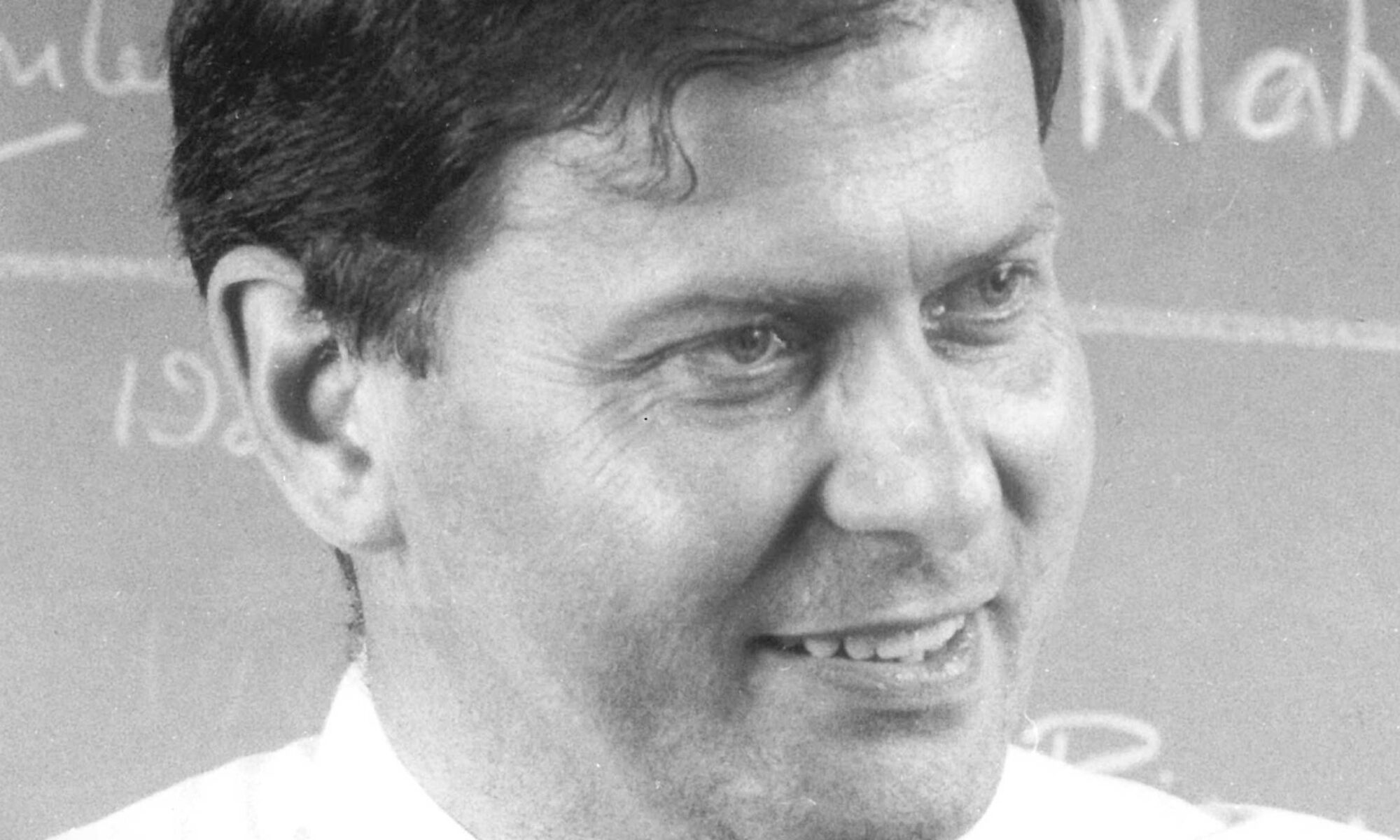
I am late to note the passing of Prof. Peter Haggett, a significant figure both at the University of Bristol and in Anglophone geography in the 20th century. There is an obituary for him on the University of Bristol website. I was a postgraduate ‘demonstrator’ teaching undergraduates spatial statistics in the Haggett laboratory throughout my PhD years at Bristol, one of the homes of the ‘quantitative revolution’ – not least because of Prof. Haggett being there. The above quote appears in the opening pages of Haggett’s (1990) book ‘The Geographer’s Art’ and seems appropriate to quote in recognising the significant contribution he made to the field. I have one book fro the significant library he slowly disposed of in his years as Emeritus professor, on the geography of telecommunications, taken from a table full of volumes that spanned a really diverse range of topics. I saw him only once, in a lecture in the re-inauguration of the Peel lecture theatre of the geography building, the oldest building of the university of Bristol. He was a modest man, keen to celebrate the work of others (in the lecture it was the second Chair of Geography at Bristol R.F. Peel) and alive to, and respectful of, the variety of standpoints within the discipline.
Kevin Cox, on his blog, offers some reflections on the extent of the ‘disruption’ the spatial science that Haggett pioneered was for our discipline and his words are very much worth reading*. Finally, in ‘The Geographer’s Art’, Haggett himself claimed that while ‘the study of geography at university will give scientific insight, provides skills [and] a philosophical framework for environmental and global problems’ that he believed
‘[geography’s] most precious gift is none of these. Geographical skills can enrich all the remaining years of one’s life so that what is seen is understood and appreciated’.
Geography remains. So, I hope, the memory of Prof Haggett’s contribution does as well.
* Incidentally, Cox’s book Making Human Geography is an excellent overview of the development of geography as a (modern) academic discipline.