
States of precarity in UK Higher Education Geography – report

I am late to highlighting the publication of the important RGS-IBG report States of precarity in UK Higher Education geography. I encourage anyone in academia but especially those of us in geography as a discipline to read and think about this work. There is a summary at the RGS-IBG website (a snippet of this is copied below), where there are also links to the report, plans, posters and other resources.

Precarious working conditions are increasingly common throughout academia – from the proliferation of fixed term contracts (FTCs) to widespread restructuring and redundancies. The States of Precarity Report provides a snapshot of the immediate and long-term effects of precarity within UK HE Geography across career stages.

Importantly, as well as engaging with key and pressing issues, the report provides a series of recommendations and best practice resources to support more equitable and caring departmental working cultures.

The States of Precarity in UK Higher Education Geography report was funded by the Antipode Foundation and the Royal Geographical Society (with IBG). The team included Rachael Squire, James Esson, Johanne Bruun, Rachel Colls, Peter Forman, Anna Jackman, Jasmine Joanes.
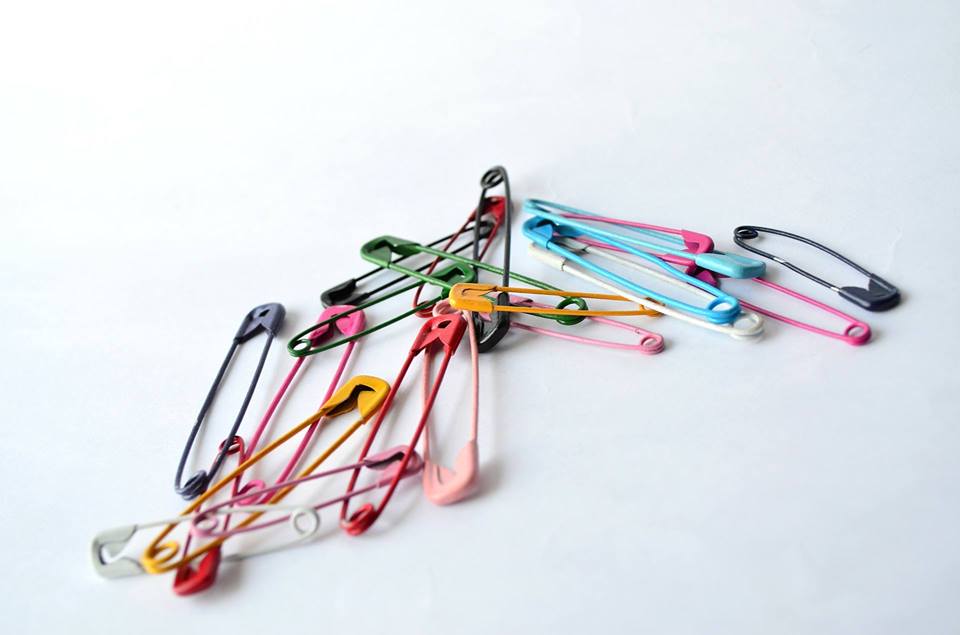
Reblog> Ways to make safety pin solidarity actually safer

Nice piece by Sara Koopman:

I have posted repeatedly on this blog about people wearing different things to signal solidarity of various sorts. I research how people build alternative securities through solidarity – so I have been following the debates about recent attempts to create safety by wearing safety pins.

If you are in the US, and maybe even Canada, you have probably heard about wearing a safety pin to signal solidarity for safety in the face of a hateful attack. But I will start with a brief explanation for global readers, since I recently presented on it at a workshop in Brussels and no one had heard of it. This was all the more surprising since it was a workshop on ‘Nurturing solidarity in diversity’ put on by the DieGem research group (see their paper on that page about their work, Putting flesh to the bone).People started wearing safety pins in the UK after Brexit, in response to a huge rise in anti-immigrant attacks. It was inspired by the by the #illridewithyou movement in Australia, in which people offered to take public transportation with Muslims fearing a backlash after a Muslim gunman held people hostage in a cafe in 2014. I believe the initial idea was to signal something like ‘I will step in to create safety’ in the case of an anti-immigrant attack.

Read the rest of the post here.