
We’re delighted to present the first of the films produced following the re-launch of the Antipode Film Project in May 2023. The brief was to create …
The Antipode Film Project—“The Pixel and the Plot” / “El Pixel y La Parcela”

Spatial Machinations
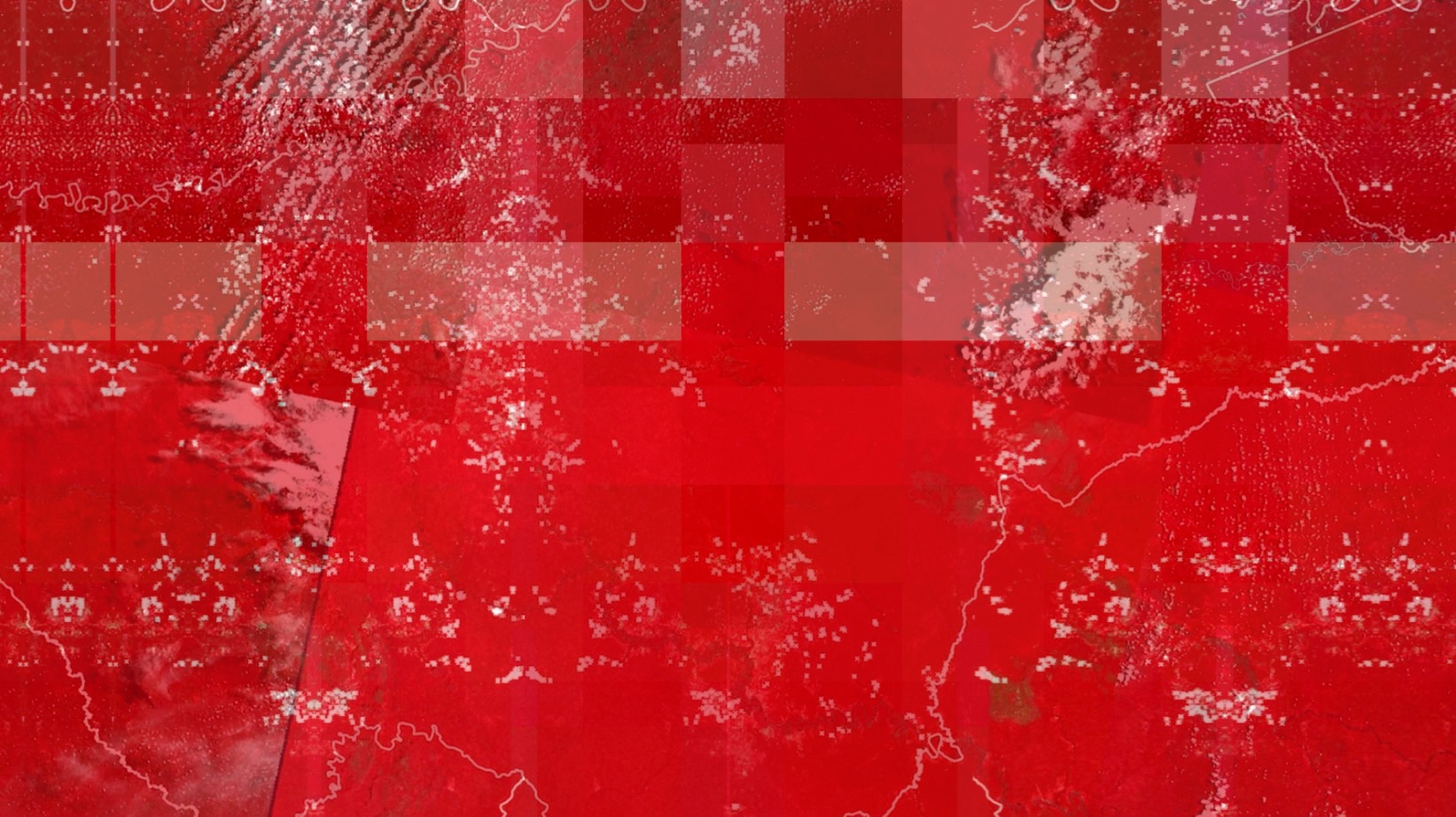
We’re delighted to present the first of the films produced following the re-launch of the Antipode Film Project in May 2023. The brief was to create …
The Antipode Film Project—“The Pixel and the Plot” / “El Pixel y La Parcela”

An interesting project from Mushon Zer-Aviv, with shades of Canguilhem:
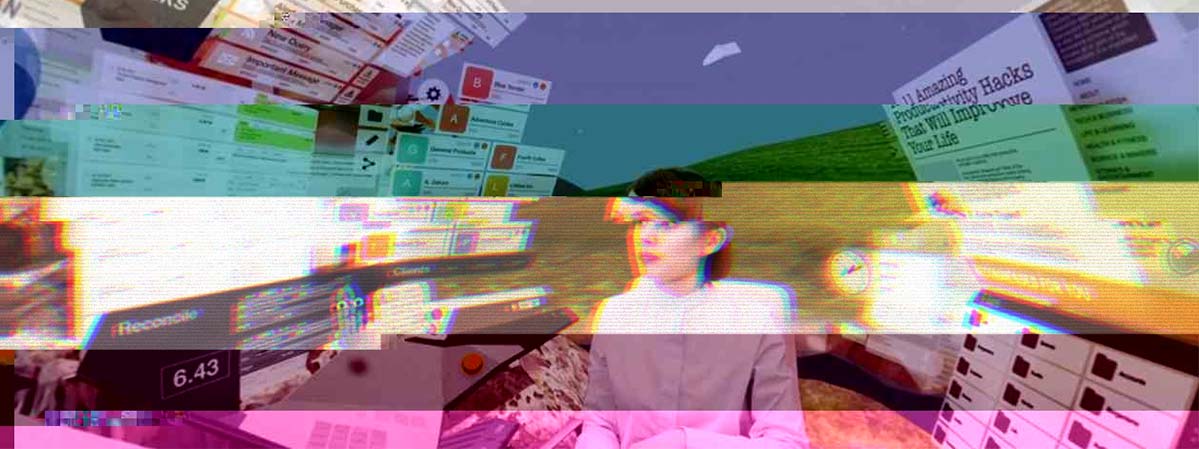
I came across the most recent film by Keichii Matsuda which concerns a possible future of work, with the protagonist embedded in an (aesthetically Microsoft-style) augmented reality of screen-surfaces, and in which the narrative denouement is a sort of trans-human ‘uploading’ moment.
I like Matsuda’s work. i think he skilfully and playfully provokes particular sorts of conversations, mostly about what we used to call ‘immersion’ and the nature of mediation. This has, predictably happened in terms of human vs. AI vs. eschatology (etc etc.) sorts of narratives in various outlets (e.g. the Verge). The first time I encountered his work was at a Passenger Films event at which Rob Kitchin talked about theorisations of mediation in relation to both Matsuda’s work and the (original) Disney film ‘Tron‘.
What is perhaps (briefly) interesting here are two things:

I’ve had about six months of reading various versions of speculative/science fiction after not having read in that genre for a little while… so here’s a selection of books I’ve read (almost exclusively on an ereader) that have more-or-less been selected following the ‘people who read [a] also read [b]’ lists.
I’m not sure these books necessarily offer any novel insights but they do respond to the current milieu of imagining automation (AI, big data, platform-ing, robots, surveillance capitalism etc etc) and in that sense are a sort of very partial (and weird) guide to that imagination and the sorts of visions being promulgated.
I’d like to write more but I don’t have the time or energy so this is more or less a place-holder for trying to say something more interesting at a later date… I do welcome other suggestions though! Especially less conventionally Western ones.
 Richard Caygill – Sea of Rust
 Matthew de Abaitua – The Destructives & The Red Men
 Warren Ellis – Normal
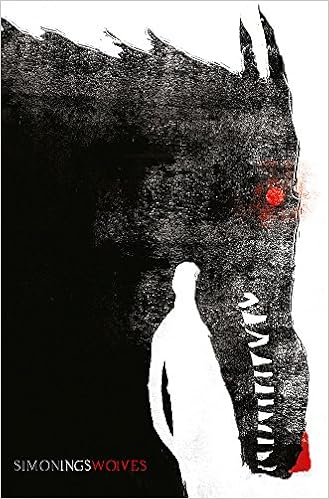 Simon Ings – Wolves
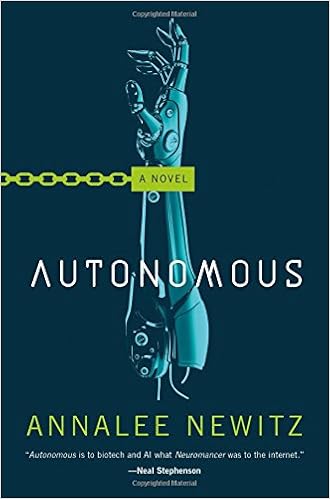 Annalee Newitz – Autonomous
 Martha Wells’ Murderbot series
ADD. Jennie Day kindly shared a recent blogpost by David Murakami Wood in which he makes some recommendations for SF books. Some of these may be of interest if you’re looking for wider recommendations. In particular, I agree with his recommendations of Okorafor’s “Lagoon“, which is a great novel.

This video of a panel session at HKW entitled “Speaking to Racial Conditions Today” is well-worth watching.
Follow this link (the video is not available for embedding here).
Inputs, discussions, Mar 15, 2018. With Zimitri Erasmus, Maya Indira Ganesh, Ruth Wilson Gilmore, David Theo Goldberg, Serhat Karakayali, Shahram Khosravi, Françoise Vergès
English original version
This talk by Meredith Whittaker reflecting upon the kinds of data that shape (what gets called) AI is really interesting, as is the fantastic AI Now Institute that she co-founded. Via twitter.


Worth watching.

I came across Janelle Monáe‘s work a while ago, through Twitter, I was really taken by the video for “Many Moons“, which is beautiful. Metropolis, the album from which it is taken, is a really interesting blend of pop, sci-fi and perhaps afrofuturism, or at least forms of sci-fi that don’t conform to, or queer, standard Western/Global North sci-fi themes/norms. Some have argued Monáe’s videos blends American and African Sci-Fi themes (a teaser trailer for Dirty Computer was shown before cinematic performances of Black Panther) in a sort of queer aesthetic (that’s my reading of what longer pieces say anyway) and I think I can see it in several videos, though my knowledge of other work that might complement or contrast this is very limited.
In the “emotion picture” (what a beautifully evocative term) for the album Dirty Computer we’re presented with a rich and confident, feature length, work of art. I’m not currently able to dedicate the time to offer a lengthier visual analysis, I’m simply going to post the video, below. All I can say, really, is: wow.

I came across this via Thomas Dekysser and AdDistortion on Twitter.
Just as with the old Nokia 3220 “funshell” LEDs the principle seems to be that if you turn your head (rather than the device being turned) the advert/picture appears to ‘drag’ out of the light unit.
This obviously presents yet another level of issues around the uses of ‘public’ space and what reasonable expectations of intrusion into one’s attention/vision/cognition might be made, what constitutes ‘choice’ in terms of exposure to these images and lots more things besides…